
Water Sprite
RareSprite Chests and eligible loot containers.
Replenishes shields for you and nearby squadmates while in water. Fortnite Sprite Tracker
Use this Fortnite Sprite locations guide to match every named companion with its best biome, container, objective, or acquisition clue. Search all 25 names, compare verified sources, and build a compact route without treating every community marker as a guaranteed spawn.
Fortnite Sprite locations include biome areas, container types, objectives, conditional appearances, and restricted sources. The finder preserves those distinctions instead of assigning false coordinates to entries whose exact spawn is chance-based or unconfirmed.
Search by Sprite name, ability, rarity, or source clue. Filters describe the best source category to investigate; they are not guaranteed map pins.
Sprite Chests and eligible loot containers.
Replenishes shields for you and nearby squadmates while in water.
Sprite Chests and eligible loot containers.
May reveal extra rare items when you open chests.
Sprite Chests and eligible loot containers.
Releases a fiery burst after you deal enough damage.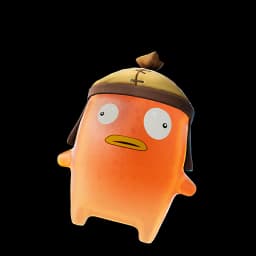
Sprite Chests and eligible loot containers.
Increases swim speed and boosts movement while under fire.
Sprite Chests and eligible loot containers.
Increases sprint speed and jump height while equipped.
Sprite Chests and eligible loot containers.
Emoting and jamming replenish your shields.
Sprite Chests and eligible loot containers.
Briefly cloaks you when you reload.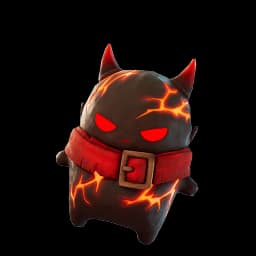
Sprite Chests and eligible loot containers.
Siphons health and shields after eliminations.
Sprite Chests and eligible loot containers.
Makes your pickaxe deal more damage.
Sprite Chests and eligible loot containers.
Grants a Shock Rock charge after enough damage.
Sprite Chests and eligible loot containers.
Triggers Overdrive when you mantle or hurdle.
Rare Chests and eligible Sprite loot.
Grants a random item each level and legendary loot at max level.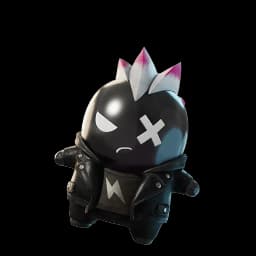
Rare Chests and eligible Sprite loot.
Offers a chance for an infinite-ammo effect.
Boss rewards and eligible Sprite loot.
Boosts your maximum Health and Shield.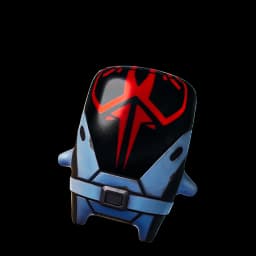
Sprite Chests and eligible loot containers.
Reveals enemy foot trails for you and nearby squadmates.
Sprite Chests and eligible loot containers.
Marks players who damage you and reveals their location.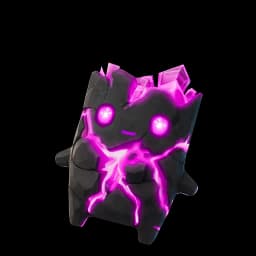
Vault, keycard and eligible Sprite Chests.
Creates a Shield Bubble Jr. when you heal.
Relic Chests and other extremely rare sources.
May award extra or Mythic loot after eliminations.
DC Summer Quests and eligible chest drops.
Lets you deploy the Bat Cape midair and improves rare-Sprite finds from chests.
Sprite Chests and Rare Chests.
Slowly replenishes shields for you and nearby squadmates after an elimination.
Sprite Chests and Rare Chests.
Makes slides destructive after sprinting; slide-kicks improve fire rate and reload speed.
Relic Chests and eligible Sprite loot.
Opening Ammo Boxes has a chance to upgrade your weapon.
High and mountainous areas and eligible Sprite loot.
Marks nearby rare Sprite variants or enemies carrying them, while also revealing your location.
Springfield Reload carriers, normal or Sprite Chests, and match wins.
Knocking or eliminating a player briefly reveals other nearby enemies.
Relic Chests.
Regenerates health over time when low; while regenerating, grants Cloak and low gravity.Use these groups to choose the right kind of drop. The best general route is not automatically the best route for one named Sprite.
Search near lakes, rivers, and coastal edges. Use water routes that also offer mobility and nearby loot rather than crossing open ground for one sighting.
Prioritize wooded zones and forest rotations. Chest density and tree cover make these areas useful even when the intended Sprite does not appear.
Check urban points of interest and dense building clusters. Expect more early opponents, vertical angles, and already-opened containers.
Follow current Sprite Chest clusters. The container creates a Sprite opportunity, but a normal chest location does not guarantee one exact named companion.
Loot efficiently across chest-dense routes. Aura also points players toward Supply Drops, while normal chest pools remain chance-based.
Investigate rare chests, Vault or keycard containers, and Relic Chests. These sources can require access conditions and still may not reveal exact odds.
Boss is connected to defeating a Boss; Striker is connected to scoring at the Soccer Pitch. Treat these as tasks, not passive biome spawns.
Ghost is associated with night-time spawns. Air and Seven require stronger current confirmation, so do not build an entire route around an unverified pin.
A locations map is most useful when it tells you what each marker represents. A pin may mean a dedicated container, a broader biome, an objective, a Vault, or a community-reported candidate. If every marker looks identical, a player cannot tell which checks are repeatable and which depend on chance or access.
Begin on the Battle Bus by comparing the bus line with two route options. The first should contain several high-value opportunities close together. The second should be a quieter fallback. A route that crosses half the island for one uncertain marker wastes time, exposes you to fights, and reduces the chance of safely keeping the Sprite.
After landing, loot enough to survive before forcing the next check. A Sprite can be valuable during the match, but collection progress is not helped by repeatedly losing early contests. Vehicles, safe rotation paths, chest density, and Storm timing belong in the plan alongside the target location.
Prefer a compact path with multiple relevant checks. For general collection, a dense Sprite Chest cluster gives more opportunities than an isolated candidate. For one named companion, follow its source category rather than the largest unrelated cluster.
A Water search should favor waterways and coast; an Earth search should pass through wooded terrain; a Boss or Striker search requires its specific activity. The Fortnite Sprite locations finder makes this difference visible before the match.
If several opponents commit to the same cluster, divert early. A slightly lower-density area can produce more completed checks because you survive long enough to loot and rotate.
Old map screenshots remain indexed after spawn pools change. Compare the guide review date, current release status, and verification label whenever a familiar route stops producing results.
Water, Earth, and Fire use broad environmental clues in the current dataset. That makes route choice more important than one coordinate. Search several suitable areas while collecting normal loot rather than camping one point and assuming the companion must appear there.
Duck, Demon, and King point toward dedicated Sprite Chests, while Dream and Punk point toward rare chest spawns. Zero Point uses Vault or keycard Sprite Chests and Burnt Peanut points toward extremely rare Relic Chests. Container type and access rules change the plan.
Boss, Striker, and Ghost are connected to a Boss defeat, the Soccer Pitch, and night-time spawns respectively. These targets depend on match state or a specific action. Air and Seven remain unconfirmed, so their apparent locations should not be promoted as verified facts.
The finder is generated from the site’s versioned collection dataset and current source review. Epic’s Sprite explanation establishes the general helper system; current container routing is documented separately so individual named-source clues are not confused with every Sprite Chest pin.
Start with the source clue for the named Sprite. Water points toward lakes, rivers and coastlines; Earth toward wooded areas; Fire toward urban POIs; several others come from Sprite Chests, rare chests, objectives, Vaults, Supply Drops, or conditional spawns.
No single static pin map can guarantee every named Sprite. Some entries use biome clues, some use chest pools, some require objectives, and some remain chance-based or unconfirmed. A useful map must explain source type and live-update limits.
Not necessarily. A source can identify the right area or container type without guaranteeing the same result every match. Loot rolls, access conditions, other players, playlist changes, and live updates can affect what appears.
Choose a compact route containing several valid opportunities, check the bus path, and keep a quieter backup. Dedicated Sprite Chest clusters provide repeatable checks, while source-specific objectives may be better for a particular named Sprite.
Some directory entries point toward general chests, but many named Sprites have different source clues. Do not assume every regular chest shares one universal pool or that one POI guarantees a specific companion.
The point may be a candidate rather than a guaranteed spawn, the relevant container may not have appeared, another player may have collected it, an access condition may be incomplete, or a patch may have changed availability.
The finder uses data reviewed 2026-08-09. Because Fortnite is a live game, recheck the page after major patches and use the displayed verification state before committing to a long route.
Open the collection checklist to record the exact variant, or use the full tracker for Owned, Mastered, missing, and next-match targets.
Update my checklist